
Becoming a parent can be an overwhelming experience. Your child can add so much joy and meaning to your life. At the same time, it can be challenging to provide the right opportunities and environment for the development of your child. As a new parent, you want to give the best of everything to your child, including toys. Research shows that learning through play is an important part of a child’s development, so it is necessary for parents to know that rather than pamper their child with lots of toys, they should provide toys that are age-appropriate.
As an early childhood educator who believes in the Montessori method, I recommend toys that are developmentally appropriate, stimulating, and open-ended so that children can explore and use their creativity. Montessori-inspired toys are not flashy and often don’t include toys that move, talk or light up as the child passively watches on. They are designed to let the child explore, manipulate and learn on their own while having fun playing. When you choose a toy for your child, it should be engaging and calming and should help them develop coordination, creativity, and critical thinking skills. Here, I’m giving you some ideas for Montessori and non-Montessori toys based on age range.
3 to 6 years:

At this age, children try to explore everything around them through their senses. They have a longer attention span than toddlers, They observe other children and try to interact with them. They talk a lot and ask a lot of questions. They need to express themselves, so the toys you choose for your child have to inspire their imagination and keep them interested and engaged like toys for solving problems, pretending, building, creating, and interacting.
Pegboard set, and floor puzzles
These toys are best for the development of fine motor skills, critical thinking, and problem-solving skills.
Link for Pegboard: From Gyapu.com
Link for floor puzzle: From Babies Day Out
A sensory board or busy board
These are toys that can help teach your child practical life activities such as dressing themselves, fastening buckles and buttons, opening and closing zippers, and tying laces. This encourages independence.
Link for Sensory/Busy Boards: From Baby Bliss Nepal / From Tiny Pods Nepal
Pretend play
Kitchen sets, doctor sets, transportation toys, construction sets, and sand and water play toys can be used for pretend play. Such pretend plays nurture creativity and imagination. They also improve self-expression and social skills.
Link for pretend playsets: From Under One Roof / From Baby Shop Nepal
Link for Transportation toys: From Baby Shop Nepal
Link for vegetable and fruit blocks: From Aplusbusinesslink / From Tiny Pods Nepal
Animal play figures
Playing with wild and farm animal play figures will provide your child opportunities to learn about animals and the world around them. It will also encourage them to use their imagination, and improve their vocabulary.
Link for Animal play figures: From Gyapu.com / From Baby Shop Nepal
Playdough
Playdough is a great toy for creative play and helps strengthen hand-eye coordination, as well as strengthening the muscles in your child’s hands. It also promotes healthy emotional development.
Link for Playdough: From Aplusbusinesslink
Lacing beads
Lacing beads is a fun and engaging activity, in which your child can lace beads according to size and shape. They can also make different patterns with the beads. It will help your child develop concentration, hand-eye coordination, math skills, and fine motor skills.
Link for Lacing beads: From APlusBusinessLink / From Gyapu.com

Building blocks/ Lego/ Duplo/magnetic tiles/board games
These toys are very popular among children in this age group. They improve attention span and math skills. These activities also help in social development, as your child learns to take turns and share materials with others. As they grow older, you can give your child more complex blocks which will provide more opportunities to use their imagination and make their own inventions.
Link for Building blocks: From Tiny Pods Nepal / From Tiny Pods Nepal
Link for Legos: From Funstation / From Kids Joy Store
Link for Duplo/magnetic tiles: From Poco Kids
Link for board games: From Alchi ko Pasal / From Baby Tree / From Baby Tree
As outdoor play is important for a child’s mental and physical development, outdoor toys are equally important. Some good outdoor toys and play materials are as follows:

Tricycle and bicycle
Riding a tricycle builds muscle strength, endurance, and stamina. It also builds both fine and gross motor skills through balance, coordination, and steering practice.
Link for Tricycle: From OK play via Gyapu
Link for Bicycle: From Daraz
Ball
Playing with balls improves kids’ motor skills, hand-eye coordination, and timing, which are important parts of the developmental progression of toddlers.
Link for Ball: From Thulo.com
Bat and ball
Playing with bat and ball will develop skills such as hitting, catching, spatial awareness and coordination.
Link for Bat and Ball: From Gyapu.com
Tunnel/slide
Crawling through playground tunnels can help to improve; physical strength, mobility, concentration, response to stress and moods. If a small group of children participate in the crawling exercises they will also benefit from social interaction and feeling part of a team.
Link for Tunnels: From Daraz.com
Link for Slides: From Kids Kottage / From Gyapu / From Gyapu
Dome climber
Dome climbers is a fun-filled activity for kids to build muscles, core strength, gross motor skills develop critical life skills, and gain self-confidence.
Link for Dome Climber: From Aplusbusinesslink
Balancing board
Balance Boards help kids to get positive Vestibular input while feeling secure in their immediate environment.
Link for Balancing board: From Tiny Pods Nepal
Seesaw
Playground equipment such as seesaws and motion riders encourage children to develop fine motor skills by grasping handles as well as balance and coordination since the play involves movement.
Link for Seesaw: From Gyapu
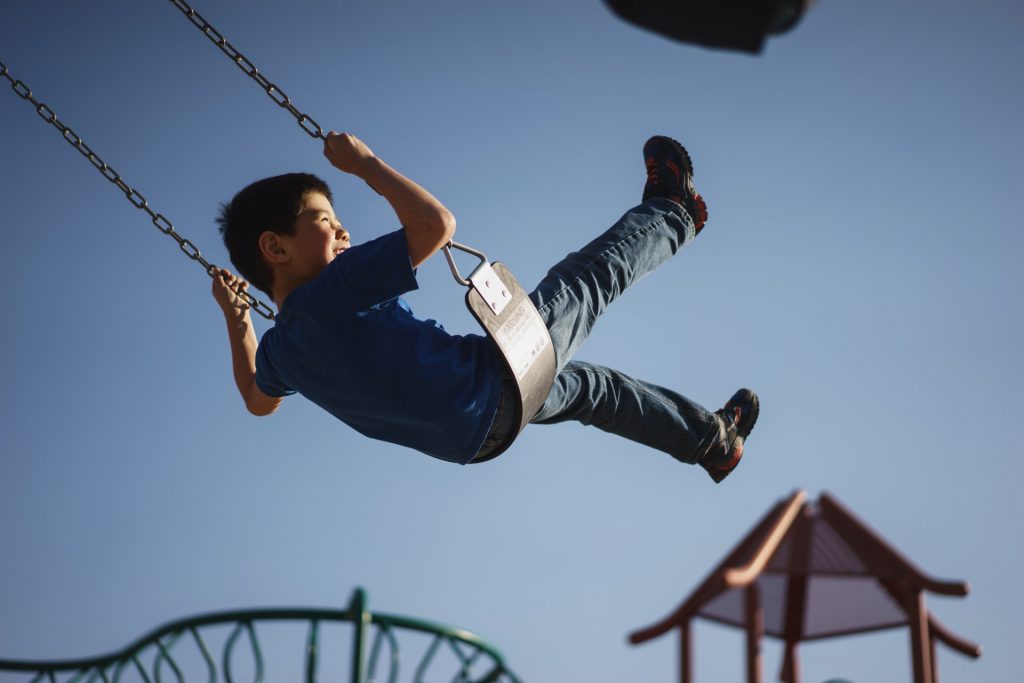
Swing
Swinging increases spatial awareness, helps develop gross motor skills, fine motor skills, develops a child’s core muscles, and helps with the development of balance.
Link for Swing: From Gyapu.com
Sandbox/sand toys
By burying themselves in the sand, and feeling their body position within the sand, children are engaging their proprioceptive sense, or the sense of their body relative to space. Sand play is very tactile and helps children learn about textures and develop fine motor skills and hand-eye coordination.
Link for sandbox: From Gyapu.com
Link for sand toys: From Aplusbusinesslink / From Kids Joy Store
Water table/water toys
Water play is a fantastic activity for developing children’s hand-eye coordination, enhances concentration and focus, develops motor skills and sensory exploration, and, builds social and communication skills.
Link for water tables: From Aplusbusinesslink /From Poco Kids with toys
Link for water toys: From Merobaby
Easel
Through easel painting, children can learn how to hold a brush, develop control over their marks, experiment with color mixing, experience self-expression, develop creative confidence and independence, explore imaginative ideas, develop hand-eye coordination and small motor control.
Link for Easel: From Gearmandu via Daraz
All these play materials help children in their physical development, as well as build their self-confidence and improve concentration.
While there are many toys and play materials that are fun as well as functional, the best way to play with your child is by using real-life materials. As your child gets older, give them a dustpan and a brush, or child-sized gardening tools and watering can and engage them in daily activities. This is the best way for them to play as well as to learn practical life skills and develop concentration and coordination. It also encourages them to be independent, to look after the environment, and to become responsible.
You can also give your child materials such as crayons, markers, paint brushes, finger paint, paper, construction paper, and scissors, for drawing, painting, and crafts. Such activities develop fine motor skills, writing, reading, and language skills. It will boost self-esteem, imagination, and creative expression.
Picking the right toy will definitely help in the overall development of your child, but joining in on the fun and spending time with them is equally important. Playing with your child will help them achieve important physical milestones, develop their brains, improve their emotional and social skills, and encourage language development.
Another important activity for the development of language and vocabulary is reading to your child. Please stay tuned for another article on the importance of reading to your child and age-appropriate books. Until then, enjoy special playtime with your child!
Writer details:
Monica Pradhan is a Montessori-trained, early childhood educator. She is the Head of the Department of the Preschool at Nisarga Batika School. With more than two decades of educational experience as an educator, trainer, and administrator, she is passionate about working with young children and making a positive difference in their formative years. She believes that every child has an innate desire to learn, and can reach their highest potential if given a stimulating environment and appropriate learning activities.
Note: Monica Pradhan does not promote these particular toys from these stores and the items have been put based on relevancy.
Credits:
Good Toys for Young Children by Age and Stage, Naeyc.org
WHEEL FUN!, Babybonus.msf.gov.sg
Why Your Child Should Be Playing With Balls, Verywellfamily.com
Bats and Balls, Aussiechildcarenetwork.com.au
Playground Tunnels & Physical Development, Playdale.co.uk
Let’s talk about Balance Board Benefits for Kids, Mymundaneandmiraculouslife.com
Developing Balance, Coordination and Fine Motor Skills on the Playground, Playworld.com
PLAY IN THE SAND!, Best-start.org
Sand Play: Nature’s Etch-a-Sketch, Pathways.org
The Benefits of Water Play for Childhood Development, Busybees.edu.au
ART AND SCIENCE ACTIVITIES, BY DEVELOPMENTAL AGE, Tinkerlab.com


